


Exercise and Recovery: How Physical Activity Fights Cravings


Exercise and Recovery: How Physical Activity Fights Cravings
Exercise is one of the most consistently effective supports for addiction recovery. Research over the past two decades has clarified the specific mechanisms by which physical activity reduces cravings, improves mood, and supports long-term sobriety. The findings are strong enough that many treatment programs now integrate structured exercise into their clinical work. This guide covers the neuroscience of how exercise fights cravings, the types of exercise most beneficial in recovery, how to build an exercise routine in early recovery, the mental health and sleep benefits of regular movement, community fitness resources in Norfolk and Virginia Beach, and how to balance physical activity without using it compulsively.
The Neuroscience: How Exercise Releases Dopamine and Reduces Cravings
Substance use disorders involve dysregulation of the brain's dopamine system. Alcohol and drugs trigger unnaturally large dopamine surges. Over time, the brain adapts by reducing baseline dopamine production and sensitivity. This produces the flat, anhedonic feeling common in early recovery. It also drives cravings as the brain seeks its familiar dopamine source.
Exercise addresses this dysregulation through multiple mechanisms:
Dopamine release. Physical activity triggers dopamine release through natural, sustainable pathways. Unlike drug-induced dopamine surges, exercise-driven dopamine release does not overwhelm the reward system. It gradually helps recalibrate baseline dopamine function.
Endorphin release. Aerobic exercise particularly triggers endorphin release, producing the 'runner's high.' Endorphins are the body's natural opioid-like compounds. They reduce pain, produce mild euphoria, and lower stress.
BDNF (brain-derived neurotrophic factor). Exercise significantly increases BDNF, a protein that supports neuroplasticity and new neuron growth. This helps the brain rebuild connections damaged by substance use.
Cortisol reduction. Chronic stress and elevated cortisol drive relapse. Regular exercise reduces baseline cortisol and improves stress response.
Improved executive function. Exercise strengthens the prefrontal cortex, which supports impulse control, decision-making, and craving management.
Anti-inflammatory effects. Regular exercise reduces neuroinflammation associated with substance use disorders.
Studies consistently show that people in recovery who exercise regularly have lower relapse rates than those who do not. The effect is meaningful across most substances of abuse.
Types of Exercise Most Beneficial in Addiction Recovery
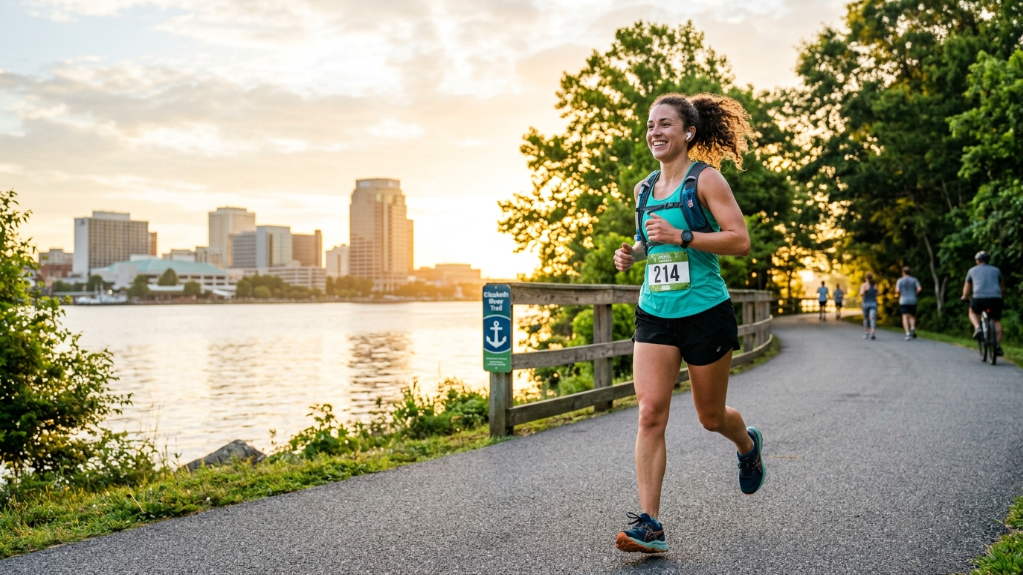
Walking. The most accessible form of exercise. Zero equipment, no gym required, appropriate for almost every fitness level. Brisk 30-minute daily walks produce meaningful recovery benefits. Walking outdoors adds the additional benefits of nature exposure and sunlight (which supports mood and sleep).
Running or jogging. Higher intensity aerobic exercise producing the strongest endorphin response. Excellent for people who enjoy it. Start slow if new to running (couch-to-5K style progression). Proper shoes and gradual progression prevent injury.
Cycling. Low-impact aerobic exercise easy on joints. Stationary bikes work indoors year-round. Outdoor cycling adds nature and sunlight benefits.
Swimming. Full-body, low-impact workout. Excellent for people with joint pain or injury history. The rhythmic breathing supports meditation-like states that reduce anxiety.
Strength training. Building muscle improves metabolism, bone density, mood, and self-image. Two to three sessions per week produces meaningful benefits. Can be done at home with basic equipment or in gyms.
Yoga and mind-body practices. Combines physical movement with mindfulness and breathwork. Particularly beneficial for people with trauma histories or high anxiety. See our full guide to yoga for addiction recovery.
Team sports and group exercise. Adds social connection to physical activity. Combines recovery-supportive elements. Many recovery communities organize sports leagues and hiking groups.
High-intensity interval training (HIIT). Efficient workouts producing strong metabolic and mood benefits. Approach carefully in early recovery when body may be depleted.
Building an Exercise Routine in Early Recovery
Start where you are. Many people entering recovery are physically deconditioned from prolonged substance use. Start with what you can sustain. A 10-minute daily walk is a legitimate starting point.
Consistency over intensity. Regular moderate exercise produces better recovery outcomes than sporadic intense workouts. Aim for movement almost every day.
Schedule it. Treat exercise like an appointment. Put it on your calendar. Morning exercise supports sleep quality and reduces the risk that the day gets away from you.
Build gradually. Increase duration before intensity. Add 5 minutes weekly until you reach 30 to 45 minutes of daily activity. Then consider adding intensity or strength training.
Find enjoyment. The best exercise is the exercise you will actually do. Try different types to find what you genuinely enjoy. Enjoyment increases adherence.
Get medical clearance. If you have significant health conditions, cardiac concerns, or have been sedentary for years, consult your primary care provider before beginning intense exercise.
Watch for early recovery fatigue. Rebuilding sleep, nutrition, and metabolic function takes months. Exercise intensity should match your current recovery reserves. Sometimes rest is more supportive than pushing through.
Use exercise as a craving management tool. When cravings arise, a walk or short workout can shift the physiological state that drives the craving. Many people in recovery use exercise as a first-line craving response.
How Physical Activity Supports Mental Health and Sleep
Early recovery commonly involves:
- Depression (often clinically significant)
- Anxiety (including PTSD symptoms)
- Sleep disturbances (insomnia, fragmented sleep, disrupted circadian rhythm)
- Cognitive fog
- Emotional dysregulation
Exercise addresses all of these:
Depression. Regular aerobic exercise produces antidepressant effects comparable to some medications for mild to moderate depression. Effect size is meaningful and sustained with continued exercise.
Anxiety. Exercise reduces baseline anxiety and improves stress tolerance. The dopamine, endorphin, and BDNF effects support anxiety reduction.
Sleep. Regular exercise improves sleep quality, sleep latency (time to fall asleep), and total sleep time. Morning or afternoon exercise supports sleep. Exercise close to bedtime can be activating for some people.
Cognitive function. Exercise improves attention, memory, and executive function. Cognitive recovery from substance use is meaningfully supported by regular movement.
Emotional regulation. The stress reduction and dopamine effects of exercise support emotional stability. People who exercise regularly report better mood regulation.
Community Fitness Resources in Norfolk and Virginia Beach
Elizabeth River Trail. A multi-use trail system in Norfolk offering miles of walking, running, and cycling. Free and open to public. Connects multiple Norfolk neighborhoods.
Norfolk Botanical Garden trails. 175 acres of gardens with walking paths. Modest admission fee. Beautiful setting supports both exercise and nature exposure.
Ocean View beaches (Norfolk). Free public beaches with expansive space for walking, running, and swimming during warm months.
Virginia Beach Boardwalk. 3-mile boardwalk plus separate bike path stretching along the Atlantic. Free, open year-round, one of the region's most popular walking and running venues.
First Landing State Park. Virginia Beach state park with 20+ miles of hiking trails through coastal forest. Modest parking fee for non-residents.
Sandbridge Beach. Virginia Beach beach community with long stretches of walkable shoreline.
YMCA of South Hampton Roads. Multiple locations across Norfolk, Virginia Beach, Chesapeake, and Suffolk. Financial assistance available for members who qualify. Full facilities including pools, gyms, group classes.
Municipal recreation centers. Norfolk and Virginia Beach both operate municipal recreation centers with reasonable fees. Include gyms, pools, and group classes.
Planet Fitness and Anytime Fitness. Low-cost 24-hour gyms with multiple Hampton Roads locations. Basic membership pricing supports tight recovery budgets.
Community running and hiking groups. Multiple running clubs meet regularly in Hampton Roads. Meetup.com and local running store bulletin boards list options.
Public parks. Every Hampton Roads city has free public parks with walking paths and fitness stations. Norfolk operates over 200 parks.
Balancing Physical Activity Without Using It Compulsively
Exercise addiction is a legitimate risk in recovery. People predisposed to compulsive behaviors can transfer substance-related patterns to exercise. Warning signs:
- Exercising through injury or illness
- Anxiety, guilt, or shame when unable to exercise
- Exercise interfering with relationships, work, or other responsibilities
- Steadily increasing exercise duration or intensity beyond reasonable goals
- Using exercise as primary emotional regulation (avoiding rather than processing feelings)
- Body image obsession combined with exercise
- Withdrawal-like symptoms (irritability, restlessness) on rest days
Healthy exercise in recovery is:
- Consistent but not obsessive
- Enjoyable most of the time
- Balanced with adequate rest
- Supportive of other life areas, not competing with them
- Adaptable when life circumstances require flexibility
Rest days matter. One or two lower-activity days per week supports both physical recovery and psychological balance. If you notice patterns that concern you, discuss with your treatment team. Exercise addiction responds to treatment approaches similar to substance use disorders.
Your Next Step
Whether you are in early recovery or well established, adding regular physical activity supports your recovery in specific measurable ways. Start where you are. A 10-minute daily walk is a legitimate beginning. If you are considering treatment and want programming that includes evidence-based holistic supports, call BeBold Recovery at 757-716-0067 for a free confidential assessment. Recovery is more than not using. It is building a life that supports staying that way.
Take the First Step Today
If you’re ready to explore your options — or just want to ask questions — reach out today. We’ll guide you with clarity, compassion, and confidence.
.svg)
or message us directly through our website
You don’t have to figure this out alone. Let’s take the next step — together.
- National Institute on Drug Abuse (NIDA). Physical Activity and Substance Use. nida.nih.gov
- Substance Abuse and Mental Health Services Administration (SAMHSA). Wellness in Recovery. samhsa.gov
- American Psychiatric Association. Exercise and Mental Health. psychiatry.org
- Centers for Disease Control and Prevention (CDC). Physical Activity Guidelines. cdc.gov
- Journal of Clinical Psychiatry. Exercise as Adjunct Treatment for Substance Use Disorders
- American College of Sports Medicine. Exercise Prescription Guidelines. acsm.org
- Norfolk Parks and Recreation. norfolk.gov/1000/Parks-Recreation
- Virginia Beach Parks and Recreation. virginiabeach.gov/services/parks-recreation
- YMCA of South Hampton Roads. ymcashr.org
- First Landing State Park. dcr.virginia.gov/state-parks/first-landing
Frequently Asked Questions

Related Blog Posts

Does BeBold Recovery Accept Medicare?
Does BeBold Recovery accept Medicare? What Medicare covers for addiction treatment, verifying benefits, and steps to use Medicare Part A, Part B, or Advantage plans.
Hampton Roads Recovery Guide: All Your Options
Complete Hampton Roads addiction recovery guide. Detox, residential, PHP, IOP, MAT, insurance navigation, peer support, and how to choose the right treatment provider.

Mindfulness in Recovery: How Meditation Helps You Stay Sober
How mindfulness practice supports addiction recovery. SOBER breathing for cravings, Mindfulness-Based Relapse Prevention (MBRP), and daily meditation in Virginia.