


We accept Medicaid and most major insurance plans.


Recovery Housing Information
Some people in treatment also need a safe, substance-free place to live. Certified recovery residences in Virginia are independently owned and operated, are generally self-pay, and accept residents who are in treatment with any licensed provider. BeBold Recovery does not own, operate, or pay for recovery housing, and you do not have to enroll at BeBold to live in one.
If you ask, our case managers can share a list of certified residences and other community resources. You can also search the Virginia Association of Recovery Residences (VARR) directory at varronline.org.
What is IOP?
The Intensive Outpatient Program bridges the gap between inpatient care and traditional outpatient services. It is designed to provide comprehensive support while allowing clients to live at home and continue their daily routines.
Our IOP is Tailored for individuals who:

Flexibility
Sessions are scheduled during convenient times to accommodate your lifestyle.

Comprehensive Care
A mix of individual therapy, group therapy, and educational sessions.

Peer Support
Build connections with others who share similar challenges and goals.

Holistic Approach
Incorporates mindfulness, stress management, and wellness techniques.
What Is a Recovery Residence?
A recovery residence (sometimes called a sober living home) is a shared, substance-free home for people in recovery. Residences offer structure, peer accountability, and a supportive community. They are housing, not treatment, and they operate independently of treatment providers.
What Recovery Residences Typically Offer
- Accountability
Regular check-ins and a community committed to staying sober - Structured Environment
Clear guidelines and responsibilities to support a recovery-focused lifestyle. - Connection
Peer relationships that foster mutual encouragement and support. - Personal Growth
Time and space to rebuild your life skills, relationships, and goals.

How Our Case Managers Can Help

- If you ask, we can share a list of certified recovery residences and other community resources.

- We can explain how to check a residence’s certification through VARR (varronline.org) or NARR (narronline.org).

- We can help fit your treatment schedule around your living situation, wherever you choose to live.
Who Might Consider a Recovery Residence?
- Have completed detox or inpatient treatment and need a transitional living environment.
- Are committed to staying sober but require additional structure and support.
- Benefit from living in a recovery-focused community.

Our Approach

Individual Therapy
One-on-one sessions with experienced therapists to address personal challenges and develop coping strategies.

Group Therapy
Supportive group sessions to build community and share experiences.

Holistic Therapies
Yoga, art therapy, mindfulness, and other activities to support overall well-being.

Educational Sessions
Information on addiction, recovery, and healthy living to empower clients with knowledge and skills.
How Telehealth Works

Urgent Assessments
If you’re unable to attend an in-person assessment, telehealth offers a convenient way to evaluate your needs and plan care.

Flexible Therapy Options
Participate in individual, group, or family sessions remotely when attending in person is challenging.

Transition Planning
Coordinate your next steps from hospital, detox, or inpatient care into BeBold Recovery’s outpatient programs.

Secure, Real-Time Support
Connect with your care team via a secure, encrypted platform for high-quality therapy and guidance.
Understand Medication-Assisted Treatment
What is MAT?
MAT is a treatment approach for substance use disorders that combines FDA-approved medications with counseling and behavioral therapies.
How MAT helps in addiction recovery?
MAT helps by reducing withdrawal symptoms and cravings, allowing individuals to focus on their recovery and counseling.
Who is MAT for?
MAT is for individuals struggling with opioid use disorder, alcohol use disorder, and other substance dependencies who seek a comprehensive treatment approach.
How MAT improves recovery outcomes?
MAT improves recovery outcomes by stabilizing brain chemistry, reducing the euphoric effects of substances, and supporting overall physical and mental health.
How MAT reduces withdrawal symptoms and cravings?
MAT medications alleviate withdrawal symptoms and cravings, making it easier for individuals to abstain from substance use.
How MAT prevents relapse?
MAT helps prevent relapse by maintaining medication adherence and supporting long-term recovery through counseling and behavioral therapies.
How We Help with
Inpatient/Residential Coordination

Comprehensive Assessment
We evaluate your individual needs, substance use history, and mental health condition to determine the most suitable level of care.

Seamless Coordination
- We facilitate referrals and communication with trusted inpatient and residential treatment centers.
- Our team ensures a smooth admission process, reducing stress and delays.

Ongoing Support
- Even while in inpatient care, BeBold Recovery stays in touch to ensure continuity of care.
- We plan for your transition back to outpatient treatment, providing a roadmap for long-term recovery.
Our Assessment Process

1. Intake & Scheduling
We respond immediately and schedule the assessment.
2. Clinical Evaluation
We assess substance use, mental health, and readiness for change.
3. Level of Care Recommendation
Based on ASAM criteria, we determine the appropriate pathway.
4. Placement & Coordination
We handle the placement process and follow through to ensure continuity of care.
Our Assessment Process
1. Intake & Scheduling
We respond immediately and schedule the assessment.
2. Clinical Evaluation
We assess substance use, mental health, and readiness for change.
3. Level of Care Recommendation
Based on ASAM criteria, we determine the appropriate pathway.
4. Placement & Coordination
We handle the placement process and follow through to ensure continuity of care.
Who Can Benefit from Peer Support?
Our Peer Support Program is designed for individuals who:

Are seeking guidance from someone with lived experience in recovery.
Structured care that reduces the risk of complications.
Value the sense of belonging that comes from a recovery-focused community.
Program Highlights

One-on-One Peer Mentorship
- Meet regularly with a certified peer recovery specialist.
- Discuss goals, challenges, and strategies for success in a safe, non-judgmental space.
Group Peer Support Sessions
- Join groups facilitated by peers where you can share experiences, gain insight, and build connections.
- Topics include coping strategies, relapse prevention, and celebrating milestones.

Advocacy and Resource Navigation
- Receive guidance on accessing community resources, employment opportunities, and educational tools.
- Gain support in advocating for your recovery needs.

Community Events and Activities
- Participate in alumni meetups, wellness activities, and volunteer opportunities that reinforce recovery principles.
How Case Management
Supports Your Recovery
Our case managers are your advocates, coordinators, and partners in recovery.
Here’s how we support you:

Assessment of Needs
Understanding your challenges and goals to create a tailored recovery plan.

Coordinated Care
Collaborating with healthcare providers, therapists, and community resources.

Practical Support
Assisting with paperwork, insurance claims, and other administrative tasks.

Ongoing Guidance
Checking in regularly to address new challenges and provide encouragement.
When Telehealth Is Right for You
Involving families in recovery can lead to better outcomes for everyone. Benefits of our Family Program include
Urgent Needs
Access immediate assessments and care planning when you cannot visit in person.
Group and Individual Sessions
Join therapy sessions remotely when attending in person is difficult.
Family Involvement
Include loved ones in therapy sessions to foster support and understanding.
Transition from Higher Levels of Care
Seamlessly plan your next steps during or after hospital, detox, or inpatient treatment.
Flexible Scheduling
Fit recovery into your life, no matter where you are.
Why Case Management Matters
Case Management is essential for addressing the broader life factors that influence recovery.
Benefits include:

Stability and Security
Access to housing, employment, and financial resources.

Holistic Recovery
Support for mental, physical, and social well-being.

Better Outcomes
Improved chances of maintaining long-term recovery.
Why Choose
BeBold Recovery for Peer Support?
Experienced Team
Our certified peer recovery specialists bring lived experience and professional training.
Holistic Approach
Peer support complements clinical care for a well-rounded recovery experience.
Inclusive Environment
A welcoming space where everyone's story is valued.
Continued Connection
Stay engaged with the recovery community long after treatment.
Who Needs Inpatient/Residential Treatment?
Inpatient or residential treatment is best suited for individuals who:
Experience severe withdrawal symptoms and require medical supervision.
Have struggled with multiple relapses and need a highly structured environment.
Have struggled with multiple relapses and need a highly structured environment.
Need distance from environments that trigger substance use.
Our Approach
At BeBold Recovery, our PHP combines evidence-based practices with holistic therapies to provide comprehensive care. Our approach includes:

Medical Monitoring
Regular health assessments and medication management.

Group Therapy
Supportive group sessions to build community and share experiences.

Individual Therapy
One-on-one sessions with experienced therapists to address personal challenges and develop coping strategies.

Holistic Therapies
Yoga, art therapy, mindfulness, and other activities to support overall well-being.

Educational Sessions
Information on addiction, recovery, and healthy living to empower clients with knowledge and skills.
Care Pathways We Coordinate
After completing the assessment, our team recommends and facilitates access to the most appropriate level of care from the following options:

Program Highlights

Personalized Treatment Plans
- Tailored to meet your unique recovery goals and challenges.
- Regular assessments ensure your plan evolves as you progress.

Group Therapy
- Led by experienced therapists, sessions provide a supportive space to share experiences and learn from others.
- Topics include relapse prevention, communication skills, and emotional regulation.

Individual Counseling
One-on-one sessions to address personal challenges and set actionable recovery goals.

Education and Skill Building
Learn about addiction, mental health, and coping mechanisms through workshops and interactive sessions.

Family Involvement
Optional family sessions to educate loved ones and strengthen support systems.
Our Approach
At BeBold Recovery, our Medication Management program combines evidence-based practices with personalized care to ensure your medications are effectively supporting your recovery and mental health. Our approach includes:

Comprehensive Assessments
Regular health assessments to evaluate your medication needs and effectiveness.

Medication Adjustments
Ongoing adjustments to ensure optimal dosage and minimize side effects.

Close Collaboration
Coordination between our medical and therapeutic teams to provide integrated care.

Education and Support
Informative sessions on medication use, potential side effects, and the importance of adherence.

Holistic Integration
Incorporating holistic therapies to support overall well-being alongside medication management.
Our Approach
Individual Therapy
One-on-one sessions with experienced therapists to address personal challenges and develop coping strategies.
Group Therapy
Supportive group sessions to build community and share experiences.
Medication Management
Regular health assessments and medication adjustments to ensure optimal treatment.
Holistic Therapies
Yoga, art therapy, mindfulness, and other activities to support overall well-being.
Educational Sessions
Information on addiction, recovery, and healthy living to empower clients with knowledge and skills.
Why Referral Partners Trust BeBold Recovery
We’re committed to building bridges to the care people need—without delay or confusion.
Same-day access to clinical assessments
Full care pathway coordination: Detox, Residential, PHP, IOP, OP, MAT
Objective placement recommendations—not limited to in-house services
Dedicated referral follow-up and warm handoffs
Medicaid, commercial insurance, and self-pay options available
Why Choose BeBold Recovery for Inpatient/Residential Coordination?
Trusted Partnerships
We collaborate with top-tier inpatient and residential programs.
Personalized Matching
We help find the best facility based on your unique situation.
Continuum of Care
We stay involved in your recovery journey, from inpatient treatment through outpatient support.
Support Beyond Placement
We provide guidance on financial options, insurance coverage, and family involvement.
Why Choose BeBold Recovery for IOP?
Expert Care
Licensed professionals with expertise in addiction and mental health.
Supportive Environment
Structured care that reduces the risk of complications.
Foundation for Recovery
Evidence-based practices to support long-term recovery.
Integrated Services
Access to additional programs like medication management, peer support, and alumni services.
What Is Detox?
Detox is the process of clearing substances from your body in a medically supervised environment. It addresses the physical dependency on substances, providing the foundation for long-term recovery.
Our Role in Detox Coordination
Assess your needs to determine the most appropriate detox program.
Partner with trusted facilities to find the right fit for your situation.
Provide guidance and support throughout the detox process and beyond.
How We Support You
Our detox coordination services are tailored to ensure safety, comfort, and successful outcomes.

Personalized Recommendations
Based on a thorough assessment, we connect you with detox programs that align with your medical and personal needs.

Logistical Support
We handle the details, from scheduling to communication with the detox facility.

Ongoing Advocacy
Even during detox, we remain a part of your journey, preparing for the transition to outpatient care.
Why Detox Matters
Attempting to detox on your own can be dangerous, particularly with substances that pose significant withdrawal risks. Professional detox offers:
Medical Supervision
24/7 monitoring to manage withdrawal symptoms.
Safer Transitions
Structured care that reduces the risk of complications.
Foundation for Recovery
Detox is the first step, providing a clean slate for therapeutic work.
Frequently Asked Questions

Which Medication Do We Use?

BUPRENORPHINE/NALOXONE (SUBOXONE)
Use: This combination is used to treat opioid use disorder by reducing cravings and withdrawal symptoms. Naloxone is included to deter misuse of the medication.
How It Works: Buprenorphine is a partial opioid agonist that partially stimulates opioid receptors, helping to reduce cravings and withdrawal symptoms. Naloxone is an opioid antagonist that blocks the effects of opioids and discourages misuse by causing withdrawal symptoms if the medication is misused.

NALTREXONE (VIVITROL)
Use: This combination is used to treat opioid use disorder by reducing cravings and withdrawal symptoms. Naloxone is included to deter misuse of the medication.
How It Works: Buprenorphine is a partial opioid agonist that partially stimulates opioid receptors, helping to reduce cravings and withdrawal symptoms. Naloxone is an opioid antagonist that blocks the effects of opioids and discourages misuse by causing withdrawal symptoms if the medication is misused.

NALOXONE (NARCAN)
Use: While not typically a primary treatment medication in MAT, naloxone is an essential tool for emergency situations. It is used to rapidly reverse opioid overdoses and is often provided to patients as a safety measure.
How It Works: Naloxone is an opioid antagonist that rapidly displaces opioids from their receptors in the brain, reversing the effects of an overdose.
Recovery Housing Information
Some people in treatment also need a safe, substance-free place to live. Certified recovery residences in Virginia are independently owned and operated, are generally self-pay, and accept residents who are in treatment with any licensed provider. BeBold Recovery does not own, operate, or pay for recovery housing, and you do not have to enroll at BeBold to live in one.
If you ask, our case managers can share a list of certified residences and other community resources. You can also search the Virginia Association of Recovery Residences (VARR) directory at varronline.org.
What Is a Recovery Residence?
A recovery residence (sometimes called a sober living home) is a shared, substance-free home for people in recovery. Residences offer structure, peer accountability, and a supportive community. They are housing, not treatment, and they operate independently of treatment providers.
What Recovery Residences Typically Offer
- Accountability
Regular check-ins and a community committed to staying sober - Structured Environment
Clear guidelines and responsibilities to support a recovery-focused lifestyle. - Connection
Peer relationships that foster mutual encouragement and support. - Personal Growth
Time and space to rebuild your life skills, relationships, and goals.
Our Accreditations






Experience Transformation
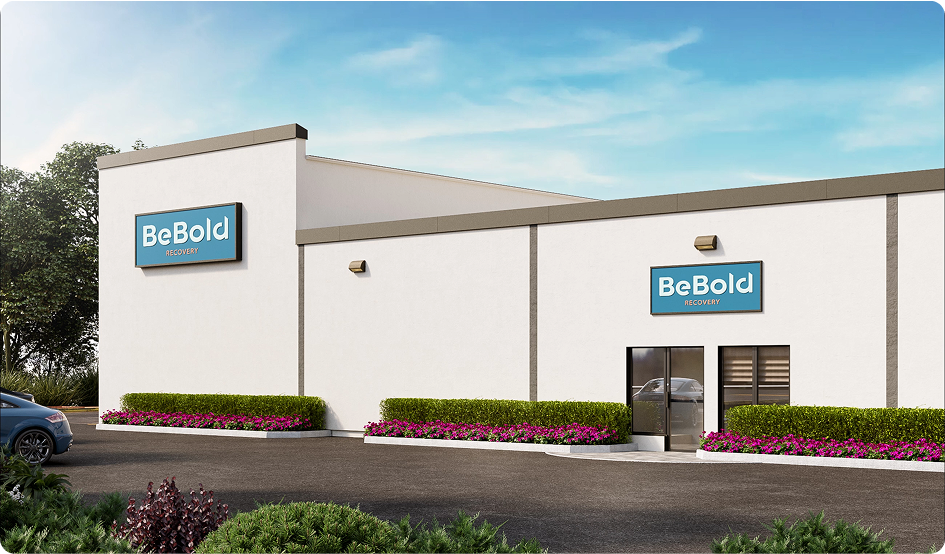
AT OUR STATE OF THE ART FACILITY
Reach out today


