


Sober Living Homes in Norfolk: What to Know


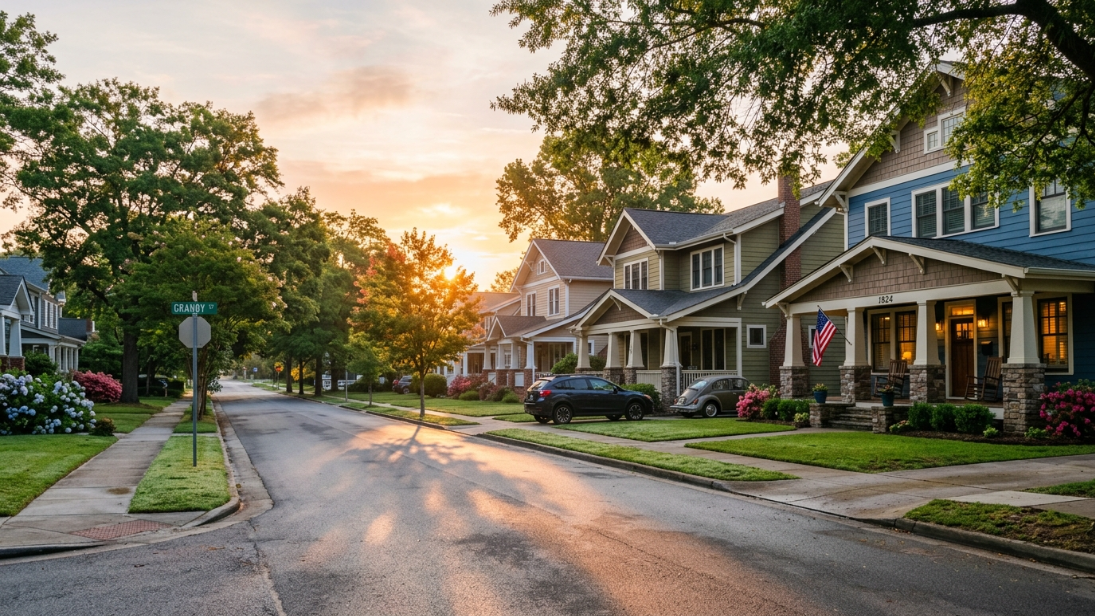
Sober living is one of the most underutilized tools in addiction recovery. For people leaving treatment at Be Bold Recovery — or stepping down from a PHP or IOP program — a sober living home in Norfolk can provide the bridge between structured clinical care and fully independent life. This guide covers everything you need to know.
What Are Sober Living Homes, and How Do They Differ From Rehab?
A sober living home is a shared residence designed for people in recovery from substance use disorder. It is not a clinical treatment setting. There are no therapists on staff, no medication dispensing, and no scheduled group sessions. What it does provide is structure, accountability, and a substance-free environment.
Rehab treats addiction. Sober living supports recovery after treatment ends. Rehab addresses the clinical side — detox, therapy, relapse prevention planning. Sober living addresses the life side — housing stability, peer accountability, and daily routine while you rebuild.
Most people move into sober living after completing a treatment program. Some enter directly from a PHP or IOP program at Be Bold Recovery. The common thread is a commitment to maintaining sobriety in a structured, substance-free environment before living fully independently.
Types of Sober Living Homes Available in Norfolk, VA
Norfolk and the Hampton Roads area offer several types of sober living options. The National Alliance for Recovery Residences (NARR) classifies them into four levels based on the amount of structure and services provided.
Level I homes are the most independent. Residents pay rent, follow house rules, and are expected to maintain employment or attend school. Minimal staff oversight. Best for people well into recovery who need affordable, substance-free housing.
Level II homes offer more structure. A house manager lives on-site, house meetings are required, and residents must demonstrate progress toward recovery goals. Level III and IV homes are the most structured, potentially including clinical services, case management, and life skills training. For those stepping down from PHP at Be Bold Recovery, a Level III home may be the right next step.
Rules and Expectations Residents Must Follow
Sober living homes operate on shared expectations. The rules exist to protect every resident’s sobriety and safety. Breaking them results in removal from the home.
Standard rules include: zero tolerance for alcohol or drugs on the premises; random drug testing upon move-in and throughout the stay; required attendance at 12-step or SMART Recovery meetings; curfews (especially in early months); completion of assigned chores; and active pursuit of employment within 30–60 days.
Visitors are typically restricted — especially overnight guests. The goal is not punitive. These rules create a predictable, low-stress environment where early recovery can stabilize without outside disruption.
How to Qualify and Apply for a Sober Living Home
Most Norfolk sober living homes have a straightforward intake process. The key requirement is a genuine commitment to sobriety — typically verified by a drug screen upon application.
Many homes prefer applicants who have recently completed or are actively enrolled in an outpatient treatment program. A referral from Be Bold Recovery’s clinical team can strengthen your application and expedite placement. You will complete an application, participate in an intake interview, and sign the house rules agreement.
Some homes have waiting lists. Planning ahead before your discharge from treatment is critical. Be Bold Recovery’s discharge planning team coordinates sober housing as part of every client’s step-down plan. Call 757-996-4915 to start that conversation early.
Cost and Insurance Considerations
Sober living homes are not covered by health insurance. They are classified as residential housing, not healthcare. This is the most important financial distinction to understand before planning.
Norfolk costs vary by level: Level I runs $500–$800/month. Level II and III homes typically range from $900–$1,500+/month. Most costs include rent, utilities, and household basics. Some nonprofit recovery residences offer sliding scale fees or scholarship support.
While sober living isn’t covered, your continued outpatient treatment — IOP sessions, individual therapy, MAT — may still be covered by Medicaid, Tricare, or private insurance. Virginia’s DBHDS maintains a certified recovery residence list at dbhds.virginia.gov. Pairing certified sober living with continued Be Bold Recovery outpatient care is often the most financially sustainable path.
How Sober Living Supports Long-Term Recovery
The evidence for sober living is strong. Research published in the Journal of Substance Abuse Treatment found that residents of sober living houses had significantly lower rates of substance use and higher rates of employment at 18 months compared to those who returned directly to independent living after treatment.
One of sober living’s greatest assets is peer accountability. Living alongside people who are also committed to sobriety creates a mutual support structure that clinical treatment alone cannot replicate. Residents hold each other to the rules, celebrate milestones together, and model what daily sober life looks like.
Sober living also reduces common relapse triggers. Isolation, boredom, financial instability, and lack of routine are among the top contributors to early relapse. A sober living environment addresses all four simultaneously.
For people completing care at Be Bold Recovery, sober living is not a fallback. It is a strategic next step. The combination of ongoing outpatient treatment and stable sober housing gives clients the best available odds of lasting, independent recovery.
Your Next Step
If you’re ready to explore your options — or just want to ask questions — reach out today. We’ll guide you with clarity, compassion, and confidence.
Call us 757-996-4915 or message us directly through our website.
You don’t have to figure this out alone. Let’s take the next step — together.
Take the First Step Today
If you’re ready to explore your options — or just want to ask questions — reach out today. We’ll guide you with clarity, compassion, and confidence.
.svg)
or message us directly through our website
You don’t have to figure this out alone. Let’s take the next step — together.
- Polcin, D.L., Korcha, R., Bond, J., & Galloway, G. (2010). Sober living houses for alcohol and drug dependence: 18-month outcomes. Journal of Substance Abuse Treatment, 38(4), 356-365. ncbi.nlm.nih.gov/pmc/articles/PMC2860873/
- Substance Abuse and Mental Health Services Administration (SAMHSA). Recovery Housing: Best Practices and Suggested Guidelines. SAMHSA, 2016. samhsa.gov
- National Alliance for Recovery Residences (NARR). National Standards for Recovery Residences. narronline.org
- Virginia Department of Behavioral Health and Developmental Services. Certified Recovery Residences in Virginia. dbhds.virginia.gov
- Jason, L.A., Mericle, A.A., Polcin, D., & White, W.L. (2013). The role of recovery residences in addiction recovery. American Journal of Drug and Alcohol Abuse, 39(2), 73-81.
-
Frequently Asked Questions

Related Blog Posts
.png)
How Long Does MAT Treatment Last?
Find out how long MAT treatment lasts in Virginia, what determines your duration, when tapering is appropriate, and how Be Bold Recovery structures your medication timeline.
.png)
Anxiety and Alcohol Abuse: Finding Help in Virginia
Learn how anxiety and alcohol abuse reinforce each other, why alcohol worsens anxiety long-term, and how Bold Recovery in Norfolk VA treats both simultaneously.
.png)
Benzodiazepine Withdrawal: Why You Need Medical Detox
Benzo withdrawal can be fatal. Learn why medical detox is essential, how tapering works, the fentanyl-Xanax crisis, and Virginia detox options for 2026.