


What Fentanyl Does to Your Brain in the First 60 Seconds


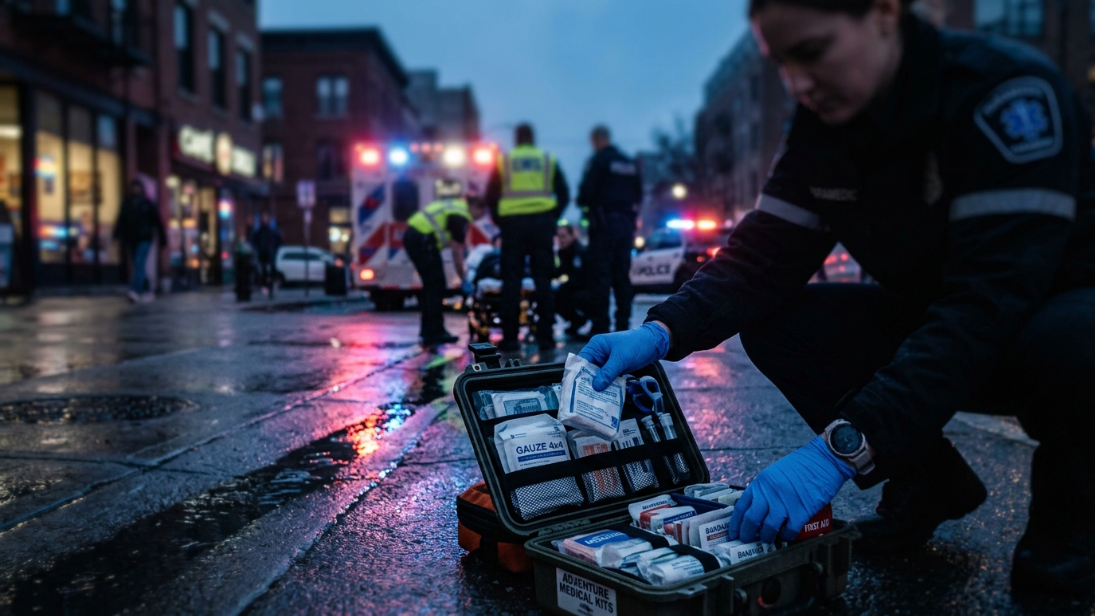
You have heard that fentanyl is dangerous. But do you know what actually happens inside your body — and your brain — in the seconds after exposure? Understanding the science may save your life or the life of someone you love.
Fentanyl is a synthetic opioid that is 50 to 100 times more potent than morphine. It was originally developed for severe pain management and cancer care. Today it has become the deadliest drug in the United States, responsible for more than 70,000 overdose deaths per year. In Hampton Roads and across Virginia, fentanyl is now found in counterfeit pills, street heroin, cocaine, and even methamphetamine — often without the user’s knowledge.
How Fentanyl Enters the Brain Within Seconds
When fentanyl enters the bloodstream — whether through injection, inhalation, or absorption through mucous membranes — it reaches the brain in as little as 15 to 30 seconds. Because it is highly lipid-soluble, meaning it dissolves easily in fat, it crosses the blood-brain barrier faster than most other opioids.
Once inside the brain, fentanyl floods the mu-opioid receptors — the same receptors targeted by morphine, heroin, and prescription painkillers. But because fentanyl binds with such high affinity and in such extreme concentration, the response is dramatically more intense. The brain is essentially overwhelmed. Dopamine floods the reward pathway, producing a brief, euphoric rush followed rapidly by sedation and unconsciousness.
The most critical effect, however, is what happens in the brainstem. Fentanyl suppresses the respiratory control centers — the parts of the brain responsible for sending the signal to breathe. Within one to three minutes of a large exposure, breathing can slow to a halt. This is fentanyl-induced respiratory depression, and it is the mechanism of nearly every fentanyl overdose death.
The Risk of Fentanyl-Laced Pills and Street Drugs
One of the most dangerous realities of fentanyl today is that most people who encounter it do not know they are taking it. Drug traffickers press fentanyl into counterfeit pills designed to look identical to legitimate medications — including Xanax, Percocet, Adderall, and Vicodin. A single counterfeit pill can contain a lethal dose.
The DEA has reported that six out of ten counterfeit prescription pills now contain a potentially lethal dose of fentanyl. In Virginia, law enforcement agencies have seized fentanyl mixed into cocaine, methamphetamine, and even marijuana. A person who has never used opioids and has no opioid tolerance is at the highest risk of dying from a first exposure.
Two milligrams of fentanyl — an amount roughly equivalent to a few grains of table salt — is enough to kill most adults. Because fentanyl is invisible and odorless, there is no way to detect it without a fentanyl test strip. These strips are now widely available at harm reduction programs in Hampton Roads and can be ordered online. They are legal in Virginia.
Signs of a Fentanyl Overdose
Recognizing an overdose quickly is the difference between life and death. Because fentanyl acts so fast, a person can lose consciousness within seconds and stop breathing within minutes. Watch for these signs: slow, shallow, or stopped breathing; blue or grayish lips and fingertips (cyanosis); gurgling or choking sounds sometimes called the “death rattle”; unresponsive to voice or touch; limp body; pinpoint (extremely small) pupils; and pale, clammy skin.
If you see any of these signs, call 911 immediately. Virginia’s Good Samaritan Law protects anyone who calls 911 during an overdose — you will not be prosecuted for drug possession if you call for help in good faith. Do not leave the person alone and do not let them “sleep it off.” Fentanyl overdose is not something a person wakes up from without intervention.
Naloxone (Narcan) and Overdose Reversal in Virginia
Naloxone, sold under the brand name Narcan, is a fast-acting medication that temporarily blocks opioid receptors and reverses the effects of an overdose. For fentanyl specifically, multiple doses are often required because fentanyl binds so powerfully to opioid receptors that a single dose of naloxone may not fully reverse the overdose.
In Virginia, naloxone is available without a prescription at CVS, Walgreens, Walmart, and many independent pharmacies. It comes as a nasal spray (Narcan) or as an auto-injector (Evzio). The naloxone spray is easy to use: tilt the person’s head back, insert the nozzle into one nostril, and press the plunger. Administer a second dose after two to three minutes if there is no response. Even after naloxone is given, call 911 — the medication wears off in 30 to 90 minutes, and the person may lapse back into overdose.
Virginia also operates a naloxone standing order, meaning any pharmacist in the state can dispense naloxone directly to anyone without a doctor’s prescription. If cost is a barrier, NEXT Distro and local harm reduction organizations in Hampton Roads provide free naloxone kits.
Your Next Step
If you or someone you love is struggling with opioid use — whether fentanyl, heroin, or prescription painkillers — Be Bold Recovery in Norfolk, Virginia offers medically supervised detox, MAT with buprenorphine and naltrexone, IOP, and PHP. Our clinical team understands the unique intensity of fentanyl dependence and will create a treatment plan built around your situation. Call us today or verify your insurance benefits online. Same-day assessment is available for clients in crisis.
Take the First Step Today
If you’re ready to explore your options — or just want to ask questions — reach out today. We’ll guide you with clarity, compassion, and confidence.
.svg)
or message us directly through our website
You don’t have to figure this out alone. Let’s take the next step — together.
- Hyperlink these in the published version for E-E-A-T signals and authority.
- CDC. Fentanyl: DrugFacts. cdc.gov
- DEA. One Pill Can Kill Campaign. dea.gov
- National Institute on Drug Abuse. Fentanyl DrugFacts. nida.nih.gov
- Virginia Department of Health. Drug Overdose Data. vdh.virginia.gov
- SAMHSA. Opioid Overdose Prevention Toolkit. store.samhsa.gov
- Virginia DBHDS. Naloxone Distribution Program. dbhds.virginia.gov
- FDA. Information about Naloxone (Narcan). fda.gov
- American Society of Addiction Medicine. Fentanyl and the Opioid Crisis. asam.org
- Hampton Roads Regional Jail Health Services. portsmouth.tricare.mil
- CDC. Drug Overdose Surveillance and Epidemiology. cdc.gov/drugoverdose
Frequently Asked Questions

Related Blog Posts
Can You Treat Depression and Addiction at the Same Time?
Learn how Bold Recovery in Virginia treats depression and addiction simultaneously using integrated dual diagnosis programs — and why treating both at once produces better outcomes

Does Cigna Cover IOP or PHP Programs?
Find out if Cigna covers IOP and PHP addiction treatment in Virginia. Learn what Evernorth Behavioral Health covers, how prior auth works, and how Bold Recovery verifies your Cigna benefits
.jpg)
Does Aetna Cover Outpatient Drug Rehab?
Find out if Aetna covers IOP, PHP, MAT, and other outpatient drug rehab in Virginia. Learn what Aetna includes, what prior authorization requires, and how Bold Recovery verifies your benefits